
Technology is exciting. It promises efficiency, visibility, automation — a smarter way to get things done. But for every successful implementation, there are just as many tools sitting idle, underused, or blamed for problems they were never designed to solve.
At PlanWerk Solutions, we often hear questions like, “Do we need a better tool?” or “Will this new platform fix our delivery gaps?” And sometimes, the answer is yes. But just as often, the tech isn’t the issue — it’s the lack of clarity, accountability, or cultural readiness around how the tech should support the work.
If your teams don’t know what they’re solving for, no platform can make the outcomes clearer.
Even well-used tools won’t produce results if the people using them aren’t aligned.
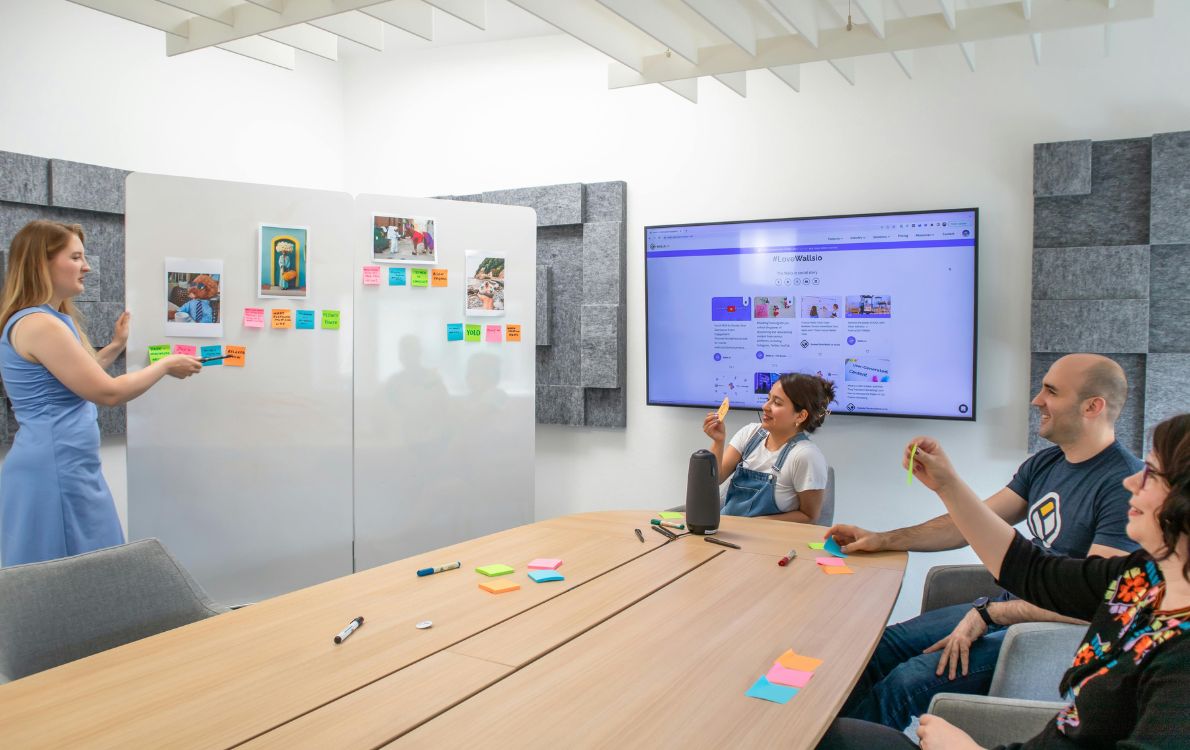
We’ve worked with organizations using best-in-class software across portfolio management, resource planning, or change enablement — and yet they still struggled. Why? Because tools are only as strong as the habits and human systems around them.
As part of The GamePlan Scaling Framework — PlanWerk’s culture-first, adaptable methodology for growing businesses sustainably — human-centered project management is a cornerstone. Our framework blends strategic thinking inspired by game theory with practical, flexible project methods. The result is a system that meets organizations where they are while still driving clarity, alignment, and measurable outcomes.
Technology should be a force multiplier — not a scapegoat. Before investing in a new platform, it’s worth asking: Are we ready for the change we’re hoping this tool will bring?
Technology can be transformative—but only when applied with purpose. The best tools don’t just streamline processes; they unlock visibility, build rhythm, and support alignment at scale. In the hands of a well-led team, tech becomes a multiplier. But clarity must come first. Let’s begin with what tech can do really well.
Let’s be clear. The right tools do matter. When paired with the right strategy, tech can:
Still, technology has limits. It can enable, but it can’t lead. It can organize, but it can’t inspire trust or navigate human complexity. Too often, organizations try to automate their way out of cultural dysfunction — and end up embedding it. To create meaningful change, we need to be honest about what tech can’t fix.
Too often, we expect technology to clean up messy human dynamics. But software can’t fix:
One client we supported had recently implemented an enterprise-wide work management platform. It had every feature they could want — real-time dashboards, resource allocation, forecasting tools, you name it. But three months in, adoption had stalled. Project teams were entering data inconsistently. Stakeholders weren’t logging in. And the executive team was frustrated that they still couldn’t “see what was going on.”
We stepped in and did a readiness audit. What we found wasn’t a software issue — it was a culture issue. Teams weren’t clear on why the platform mattered. There were conflicting expectations about how data would be used. And worse, some groups feared the tool would be weaponized in performance reviews.
Together, we reset. We clarified the purpose, retrained users, created safe spaces to explore friction, and adjusted workflows to reflect how people actually worked — not just how leadership hoped they would. Only then did the platform start delivering real value.
If your tool isn’t working, here are three questions to ask before replacing it:
At PlanWerk, we help organizations rethink their relationship with technology. Because tech alone doesn’t fix misalignment, broken processes, or unclear goals. It magnifies what’s already there — for better or worse.
Our approach blends strategy with structure, ensuring that tools are selected and implemented to solve the right problems. We partner with teams to unlock the value behind the tech: stronger decisions, sharper delivery, and work that feels more connected and human.
If you’re ready to move beyond tool-centric thinking and build systems that truly serve your people and purpose — we’re here. Let’s build smarter, together.

Even the most advanced tools can’t replace clarity, culture, or leadership. To deliver real value, organizations must pair the right tech with the right mindset — one that prioritizes people, process, and purpose.

Why business-as-usual might be costing your team more than it’s returning...